
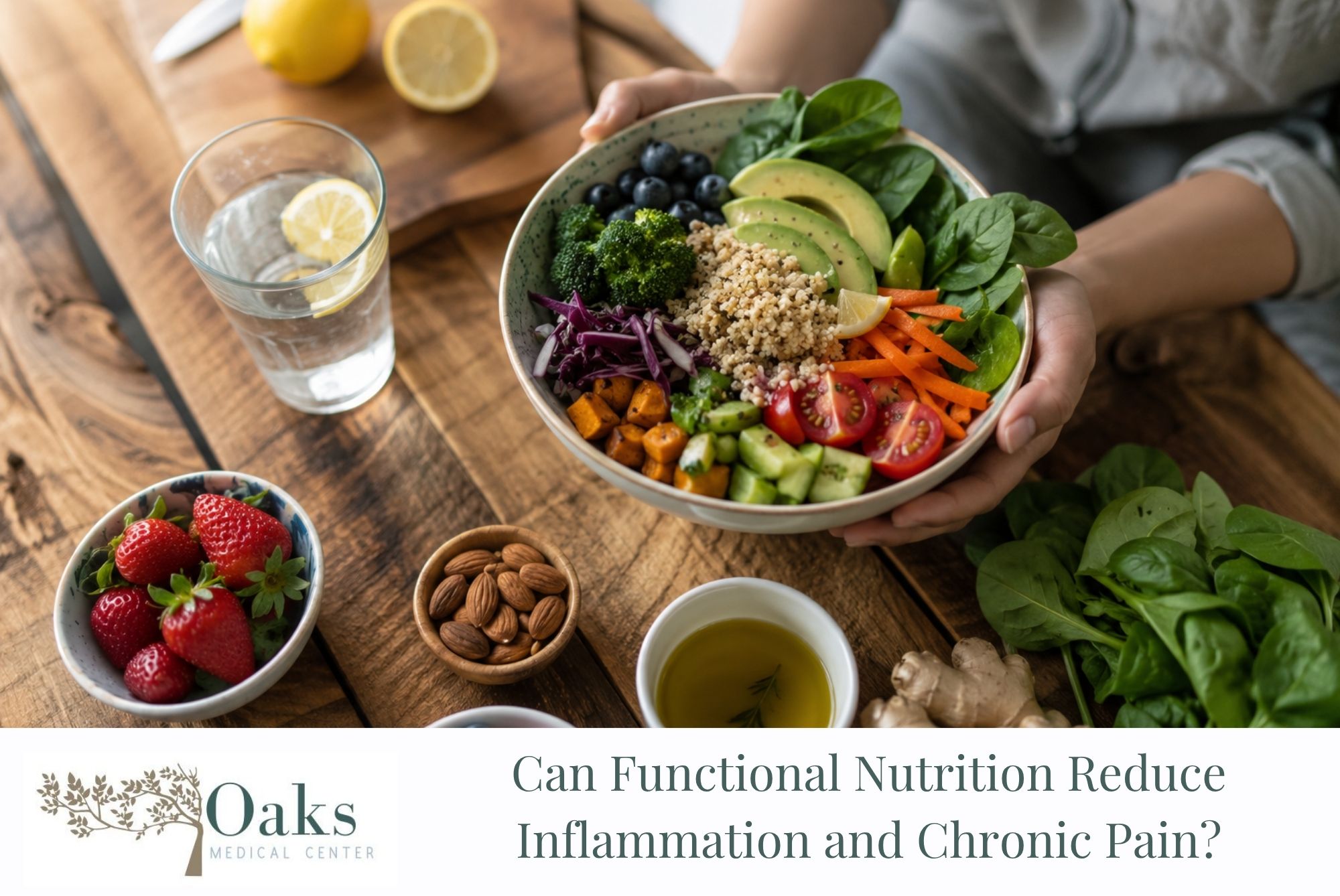
Living with chronic pain or persistent inflammation can make everyday life more difficult than it should be. Whether it’s joint discomfort, fatigue, digestive problems, migraines, or muscle aches, chronic inflammation often plays a major role in long-term health concerns. At Oaks Medical Center in Bryan, TX, patients are increasingly exploring functional nutrition as a natural and comprehensive way to support healing, improve wellness, and reduce chronic pain symptoms.
Functional nutrition focuses on identifying and addressing the root causes of inflammation rather than simply masking symptoms. By understanding how food, lifestyle, stress, gut health, and nutrient deficiencies affect the body, functional nutrition can help many individuals experience meaningful improvements in their overall health and quality of life.
Understanding Inflammation and Chronic Pain
Inflammation is the body’s natural response to injury, illness, or infection. Acute inflammation is temporary and helps the body heal. However, chronic inflammation can persist for months or even years and may contribute to a wide range of health issues, including:
- Arthritis and joint pain
- Fibromyalgia
- Autoimmune disorders
- Digestive conditions
- Chronic fatigue
- Migraines and headaches
- Muscle pain
- Diabetes
- Cardiovascular disease
- Obesity-related inflammation
When inflammation becomes chronic, the immune system can remain overactive, placing stress on the body and contributing to ongoing discomfort and disease progression.
What Is Functional Nutrition?
Functional nutrition is a personalized, science-based approach to health that examines how nutrition impacts the body’s systems. Instead of applying a one-size-fits-all diet plan, functional nutrition evaluates the unique factors influencing an individual’s health, including:
- Nutrient deficiencies
- Food sensitivities
- Gut health and digestion
- Hormonal balance
- Stress levels
- Sleep quality
- Lifestyle habits
- Chronic health conditions
The goal is to support the body naturally through targeted nutrition and lifestyle strategies that encourage healing and reduce inflammation at its source.
How Functional Nutrition May Help Reduce Inflammation
1. Identifying Inflammatory Foods
Certain foods may trigger inflammation in sensitive individuals. Functional nutrition often involves identifying foods that contribute to symptoms such as bloating, headaches, fatigue, skin irritation, or joint pain.
Common inflammatory triggers may include:
- Processed foods
- Excess sugar
- Refined carbohydrates
- Artificial additives
- Trans fats
- Excess alcohol
- Certain food sensitivities
Removing or reducing inflammatory foods may help lower immune system stress and reduce chronic pain symptoms.
2. Supporting Gut Health
Research continues to show a strong connection between gut health and inflammation. The digestive tract plays a major role in immune system regulation. Poor gut health may contribute to chronic inflammation throughout the body.
Functional nutrition often focuses on:
- Improving digestion
- Restoring healthy gut bacteria
- Reducing intestinal inflammation
- Supporting nutrient absorption
A healthier gut may help improve immune balance and decrease inflammatory responses.
3. Correcting Nutrient Deficiencies
Deficiencies in essential nutrients can contribute to fatigue, muscle pain, weakened immunity, and inflammation. Functional nutrition may assess levels of important nutrients such as:
- Vitamin D
- Magnesium
- Omega-3 fatty acids
- B vitamins
- Antioxidants
Optimizing nutrition can support cellular repair and improve overall wellness.
4. Balancing Blood Sugar
Frequent blood sugar spikes caused by processed foods and excess sugar can increase inflammation in the body. Functional nutrition emphasizes balanced meals with whole foods, healthy fats, lean proteins, and fiber to stabilize blood sugar and support long-term health.
5. Reducing Oxidative Stress
Oxidative stress occurs when harmful free radicals damage cells and tissues. Antioxidant-rich foods may help combat oxidative stress and support inflammation reduction.
Anti-inflammatory foods often recommended include:
- Leafy greens
- Berries
- Fatty fish
- Olive oil
- Nuts and seeds
- Turmeric
- Ginger
- Colorful vegetables
Functional Nutrition and Chronic Pain Management
While functional nutrition is not a cure-all, many people report improvements in:
- Joint stiffness
- Muscle soreness
- Energy levels
- Digestive symptoms
- Brain fog
- Sleep quality
- Mood and mental clarity
Reducing inflammation through nutrition may also complement other medical treatments and wellness strategies.
At Oaks Medical Center, healthcare providers understand that chronic pain often involves multiple contributing factors. A comprehensive and personalized approach may help patients achieve more sustainable results.
Frequently Asked Questions About Functional Nutrition
What conditions may benefit from functional nutrition?
Functional nutrition may help support individuals dealing with:
- Arthritis
- Fibromyalgia
- Irritable bowel syndrome (IBS)
- Autoimmune conditions
- Chronic fatigue
- Migraines
- Metabolic disorders
- Digestive problems
- Inflammatory conditions
Is functional nutrition the same as dieting?
No. Functional nutrition is not a fad diet or quick-fix program. It focuses on long-term health by addressing the underlying causes of symptoms and supporting the body with personalized nutrition and lifestyle changes.
Can food really impact inflammation?
Yes. Research suggests that diet plays a major role in inflammation levels within the body. Certain foods may promote inflammation, while others may help reduce it and support healing.
How long does it take to notice results?
Results vary from person to person depending on their health condition, lifestyle, and nutritional needs. Some individuals notice improvements within weeks, while others may require a longer-term approach.
Does functional nutrition replace medical treatment?
Functional nutrition is designed to complement medical care, not replace it. Patients should continue working with qualified healthcare providers regarding any medical conditions or treatments.
Are anti-inflammatory diets safe?
In general, anti-inflammatory eating patterns that emphasize whole foods, vegetables, healthy fats, and lean proteins are considered safe for many individuals. However, personalized guidance is important for those with medical conditions or dietary restrictions.
Why is gut health important for inflammation?
The gut contains a large portion of the immune system. Poor gut health may contribute to chronic inflammation, food sensitivities, and immune imbalance. Supporting digestive health is often an important part of functional nutrition.
Can functional nutrition help with autoimmune disorders?
While it does not cure autoimmune diseases, functional nutrition may help some individuals reduce symptom flare-ups and support immune system balance through targeted dietary and lifestyle changes.
Take the Next Step Toward Better Health
Chronic inflammation and pain can affect nearly every aspect of daily life, but addressing the root causes may help improve overall wellness. Functional nutrition offers a personalized and holistic approach that focuses on nourishing the body, reducing inflammation, and supporting long-term health goals.
If you are interested in learning more about functional nutrition and comprehensive wellness care, Oaks Medical Center is here to help.
Contact Oaks Medical Center
Oaks Medical Center
1313 Briarcrest Drive
Bryan, TX 77802
Phone: (979) 776-2828
Website: https://oaksmed.com
Appointments: https://oaksmed.com/appointments/