
You may find it difficult to engage in social activities and hobbies, which may result in low self-esteem. Sleep disturbances, fatigue, difficulty concentrating, decreased appetite, and mood changes are also common in people suffering from chronic pain.
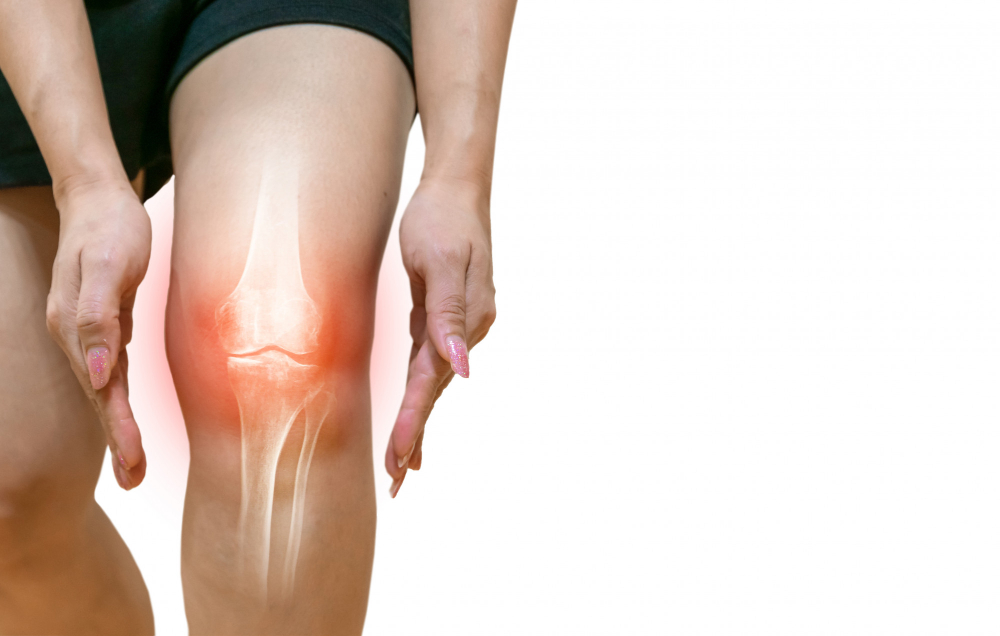
We offer pain relief for a wide range of conditions, including:

Back & Neck Pain
Back and neck discomfort of any kind can significantly limit your daily activities and make your life miserable.
Symptoms of back pain can range from moderate to severe and debilitating. Back pain can limit your range of motion and negatively impact your ability to do daily tasks and enjoy life. If you’re experiencing chronic discomfort, see your doctor right away.
The cervical vertebrae in your neck are the source of neck pain. The neck is particularly vulnerable to injury due to its exposed position and wide range of motion.
Back and neck pain can be excruciating. Is this a condition that comes on quickly and strongly? Long-term pain might linger for several weeks to years. The pain might either be constant or sporadic.
Even with today’s technology, pinpointing the exact source of back and neck pain remains a challenge. All or some of the following may be to blame for back and neck pain:
- Incorrect use, such as repetitive or heavy lifting, overuse, or excessive activity
- Bruises, wounds, or sprains
- Stress on the muscles and ligaments that support your spine or the effects of aging can lead to vertebral degeneration.
- Infection
- Tumors and bone spurs are examples of malignant development.
- Increased weight on your spine and disc pressure caused by obesity.
- A lack of muscle mass
- Tension in the muscles
- Strain vs. strain
- Torn ligaments and muscles
- Arthritis and other debilitating joint conditions
- Smoking
- Pinched nerve and protruding or ruptured (slipped) disk
- Compression fractures with osteoporosis
- Your vertebrae and bones may have congenital abnormalities that were present at birth
- Aortic aneurysm, for example, is a type of abdominal ailment
At what point should I contact my doctor?
If you are experiencing any of the following symptoms:
- Bladder or bowel control is lost, and both legs are weak. Symptoms like these necessitate prompt intervention.
- Intractable, persistent, and unrelieved back or neck discomfort
- Post-injury or post-fall pain
- Leg or arm ache, tingling, or numbness
- Fever
- Weight reduction without the purpose of shedding pounds
What is the treatment for back and neck pain?
To treat these types of back pain, many doctors will recommend surgery or strong medication. Most people with back pain, on the other hand, do not want to take time off work to recover from surgery or rely on long-term medication prescriptions. Non-surgical, drug-free treatment for back and neck problems is our specialty.
The muscles, tendons, and ligaments that support the spine and its joints are the focus of the clinic’s back and neck pain treatment. Reduce pain and stiffness, strengthen muscles, and restore mobility are the main goals.
Our medical staff will conduct a thorough examination to identify the underlying causes of your back or neck pain. In order to alleviate pain, expand range of motion, strengthen muscles, and ultimately reestablish skilled function, they will design a therapy plan specifically for you.
Each patient’s treatment is tailored to their personal needs based on the results of their first evaluation and subsequent spinal monitoring throughout their course of treatment. The ultimate goal is to get back to your old self.

Elbow & Wrist Pain
The hand, elbow, and wrist are connected, helping you perform daily tasks or sporting activities. If an injury or onset of a health condition occurs, it may cause pain and discomfort. This can interfere with your ability to function, limiting you from doing simple tasks like brushing your teeth or carrying a bag of groceries. Ignoring the pain may lead to long-term stiffness, pain, and mobility issues. Various factors cause wrist and elbow pain, including and not limited to:
- Elbow bursitis
- Infections
- Deformities
- Sprains and strains
- Rheumatoid arthritis
- Carpal tunnel syndrome
- Fractures and dislocations
- Fibromyalgia
- Trigger finger
- Lacerations
- Damaged tendons, nerves, and muscles
- Hand tumors
How We Can Help
Our experts at Oaks Medical Center treat minor and severe conditions that cause elbow and wrist pain. We are dedicated to providing innovative and wholesome treatment plans customized to meet your needs.
If you are experiencing the following symptoms, seek immediate professional medical attention.
- Redness, swelling, tenderness, and pain
- A visible deformity in your elbow or wrist
- Acute pain Loss of mobility
- Numbness and stiffness
- Inability to perform tasks
- Limited range of motion
Providing valuable information about your elbow and wrist pain lets us get to the root cause of your pain and discomfort. This also helps us formulate the best treatment plan for you. Our treatment plans aim to restore function and mobility while relieving pain through cutting-edge technology.
We want you to live your life to the fullest without inhibiting pain and discomfort. Contact us today to learn more about our elbow and wrist treatment plans.
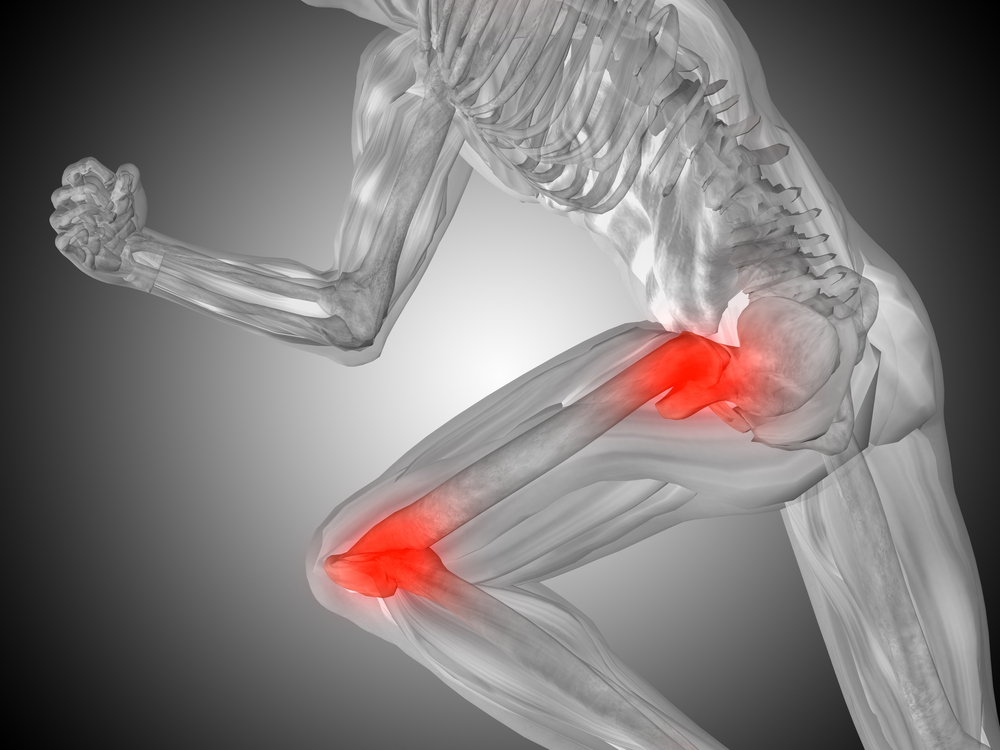
Hip & Knee Pain
Even the simplest actions can become excruciatingly painful when dealing with knee or hip discomfort.
Stability and mobility are provided by the hips and knees when walking and moving about. It’s possible that your joints won’t perform properly because of an injury, arthritic change, or general soreness in the hips or knees.
Additionally, hip and knee pain may result in a lack of mobility and muscle weakness, as well the inability to bear weight and trouble rising from the chair.
What causes hip pain?
- Tendonitis is the most prevalent cause of acute hip discomfort.
- Arthritis can cause pain, stiff and tender joints, and difficulty walking.
- Osteoarthritis (OA) is a degenerative disease of the joints caused by the degradation of the cartilage that protects them with age.
- Infectious arthritis is caused by the loss of cartilage in the joint as a result of an infection.
- An attack on the joints by the body’s immune system results in rheumatoid arthritis (RA).
- Rheumatoid arthritis is rare compared to osteoarthritis, which affects far more people.
- Bursitis of the trochanter
- Trochanteric bursitis is another possibility for hip pain. When the bursa, a fluid-filled sac located near the hip joint, gets inflamed, this condition is known as bursitis.
- Injuries to the hip, overuse of the joints, or poor posture are all potential causes of trochanteric bursitis.
- Trauma to the hips Older folks and those with osteoporosis, a weakening of the bones owing to aging or other causes, are more likely to have hip fractures than younger people.
What causes chronic knee pain?
There is a difference between short-term and long-term knee discomfort. Knee pain is common after an accident or injury, and it can last anywhere from a few weeks to several months. Treatment for chronic knee pain is unusual, and it’s not usually traceable to a single event. In most cases, it’s the outcome of a number of factors.
Knee pain can be caused by a variety of medical disorders and diseases. These are only a few examples:
- osteoarthritis: pain, inflammation, and joint destruction caused by degeneration and deterioration of the joint
- tendinitis: pain in the front of the knee that is made worse when climbing, taking stairs, or walking up an incline
- bursitis: inflammation caused by repeated overuse or injury of the knee
- chondromalacia patella: damaged cartilage under the kneecap
- gout: arthritis caused by the buildup of uric acid
- Baker’s cyst: a buildup of synovial fluid (fluid that lubricates the joint) behind the knee
- rheumatoid arthritis (RA): a chronic autoimmune inflammatory disorder that causes painful swelling and can eventually cause joint deformity and bone erosion
- dislocation: dislocation of the kneecap most often the result of trauma
- meniscus tear: a rupture in one or more of the cartilage in the knee
- torn ligament: tear in one of the four ligaments in the knee — the most commonly injured ligament is the anterior cruciate ligament (ACL)
- bone tumors: osteosarcoma (second most prevalent bone cancer), most commonly occurs in the knee
The treatment at our clinic can alleviate pain and enhance general functional mobility, whether you suffer from hip or knee problems.
When should I seek emergency care?
If you have hip and knee discomfort that persists for more than a few days, you should see your doctor right away. They can devise a strategy to alleviate your discomfort and treat your disease.
Hip and knee discomfort that is accompanied by one or more of the following:
- swelling
- tenderness
- soreness
- warmth
- redness
- severe pain and swelling
- deformity or severe bruising
- symptoms in other parts of the body
- symptoms that persist longer than a few days or get worse instead of better
- other health conditions that could complicate healing
- signs of infection, such as a fever
Septic arthritis, an infection of the joints, is a possible cause of these symptoms. Septic arthritis can lead to malformed joints and osteoarthritis if it is not managed.
How is Hip Pain Or Knee Pain Treated?
Our doctors will work closely with you to develop a treatment plan that reduces pain and increases range of motion and strength. Regaining pre-injury health is the ultimate goal of treatment.
Most of our patient knee pain sufferers prefer natural, non-invasive rehabilitation options. Prolonged painkiller use is also a possibility. But are you willing to risk becoming hooked to these drugs? What if surgery isn’t an option for you? Also available are painkillers that exacerbate rather than alleviate the problem.
We treat persistent knee pain using regenerative medicine and platelet-rich plasma for patients who believe they have no other options (PRP).
PRP therapies involve drawing your own blood, purifying it, and injecting the concentrated platelets and plasma into your knee. Blood molecules including platelets, growth factors, and cytokines help heal wounds. When you suffer knee pain, we use PRP to supply the healing materials you require.
Request a consultation with us today
Knee pain may hold anyone back. Working on your feet might be unpleasant. Simple tasks like mowing the lawn or cleaning the floors can be difficult with knee discomfort. But don’t let it deter you.
Our clinic has the solution for efficient and long-lasting hip and knee pain relief. To request a consultation, call us now at (979) 776-2828.